Table of Contents
- The Changing Nature of Recruitment
- Why Hiring the Right Talent Matters
- The Cost of a Poor Hiring Decision
- Understanding Modern Candidate Expectations
- Building a Strong Employer Brand
- The Role of Technology in Recruitment
- Creating an Effective Recruitment Process
- Why Candidate Experience Matters
- Recruitment Challenges Organizations Face Today
- Talent Shortages
- High Competition
- Changing Expectations
- The Importance of Diversity in Hiring
- Recruitment and Long-Term Growth
- Future Trends in Recruitment
- Frequently Asked Questions
- Why is recruitment important?
- What is candidate experience?
- How does technology improve recruitment?
- Why is employer branding important?
- What are the biggest recruitment challenges today?
- How can organizations improve hiring quality?
- Build Stronger Teams with Smart Recruitment
- Conclusion
In today's competitive job market, finding the right talent is no longer as simple as posting a job advertisement and waiting for applications. Organizations across industries are facing new recruitment challenges. Skilled professionals have more opportunities than ever before, candidate expectations are changing rapidly, and competition for top talent continues to increase.
As a result, recruitment has become one of the most important functions within any organization. The quality of hiring decisions directly impacts productivity, workplace culture, employee retention, and long-term business growth. Hiring the right people can drive innovation and success, while poor hiring decisions can lead to wasted resources, reduced morale, and increased turnover.
Modern organizations are realizing that recruitment is not just about filling vacancies. It is about finding individuals who align with company values, possess the right skills, and have the potential to grow within the organization. This shift has transformed recruitment from an administrative task into a strategic business function.
The organizations that consistently attract and hire top talent are often those that have developed efficient recruitment processes, strong employer brands, and positive candidate experiences. In a world where talent is one of the most valuable assets, smart recruitment has become essential for sustainable success.
The Changing Nature of Recruitment
Recruitment has changed significantly over the past decade. Traditional hiring methods that relied heavily on newspaper advertisements, walk-in interviews, and manual candidate tracking are gradually being replaced by digital recruitment strategies.
Today's candidates are researching employers before applying, comparing workplace cultures, and seeking organizations that offer growth opportunities, flexibility, and meaningful work.
At the same time, hiring managers are expected to identify qualified candidates faster while maintaining high hiring standards.
This shift has created a more dynamic and competitive recruitment environment.
Organizations must now focus on:
- Candidate experience
- Employer branding
- Faster hiring processes
While these areas may seem straightforward, they play a major role in attracting quality talent.
Why Hiring the Right Talent Matters
Every employee contributes to the overall success of an organization. The skills, attitude, and performance of employees influence productivity, customer satisfaction, innovation, and workplace culture.
When organizations hire the right people, they often experience:
- Stronger team performance
- Better collaboration
- Higher employee engagement
Employees who fit both the role and organizational culture are more likely to contribute positively and remain with the company for longer periods.
On the other hand, poor hiring decisions can create challenges that affect multiple areas of the organization.
Replacing employees can be costly, time-consuming, and disruptive. This is why investing in effective recruitment processes is so important.
Recruitment should not be viewed simply as filling positions. It should be viewed as building the future workforce of the organization.
The Cost of a Poor Hiring Decision
Many organizations underestimate how expensive a poor hiring decision can be.
The visible costs may include:
- Recruitment expenses
- Training costs
- Onboarding resources
However, the hidden costs are often much larger.
When the wrong candidate is hired, organizations may experience reduced productivity, lower team morale, increased supervision requirements, and higher employee turnover.
In some cases, a poor hiring decision can affect customer relationships, project timelines, and workplace culture.
These challenges demonstrate why recruitment should focus on quality rather than speed alone.
Finding the right candidate may require additional effort, but the long-term benefits are often worth the investment.
Understanding Modern Candidate Expectations
Today's job seekers are looking for more than just a salary.
Candidates increasingly evaluate organizations based on factors such as:
- Career development opportunities
- Workplace culture
- Learning and growth
- Flexibility
- Leadership quality
- Work-life balance
Potential employees want to understand what it is like to work within an organization before accepting an offer.
This means organizations must communicate their values, mission, and workplace environment effectively throughout the recruitment process.
Candidates are also paying close attention to how they are treated during recruitment.
A positive candidate experience can strengthen an organization's reputation, while a poor experience can discourage talented professionals from applying in the future.
Building a Strong Employer Brand
Employer branding has become a critical component of successful recruitment.
An employer brand represents how current and potential employees perceive an organization.
A strong employer brand can help attract qualified candidates even in highly competitive industries.
Organizations with positive reputations often receive more applications from high-quality candidates because professionals want to work in environments where they feel valued and supported.
Building a strong employer brand requires consistency.
Organizations should focus on:
- Transparent communication
- Positive workplace culture
- Employee development
- Recognition programs
When employees have positive experiences, they naturally become ambassadors for the organization.
The Role of Technology in Recruitment
Technology has transformed nearly every aspect of recruitment.
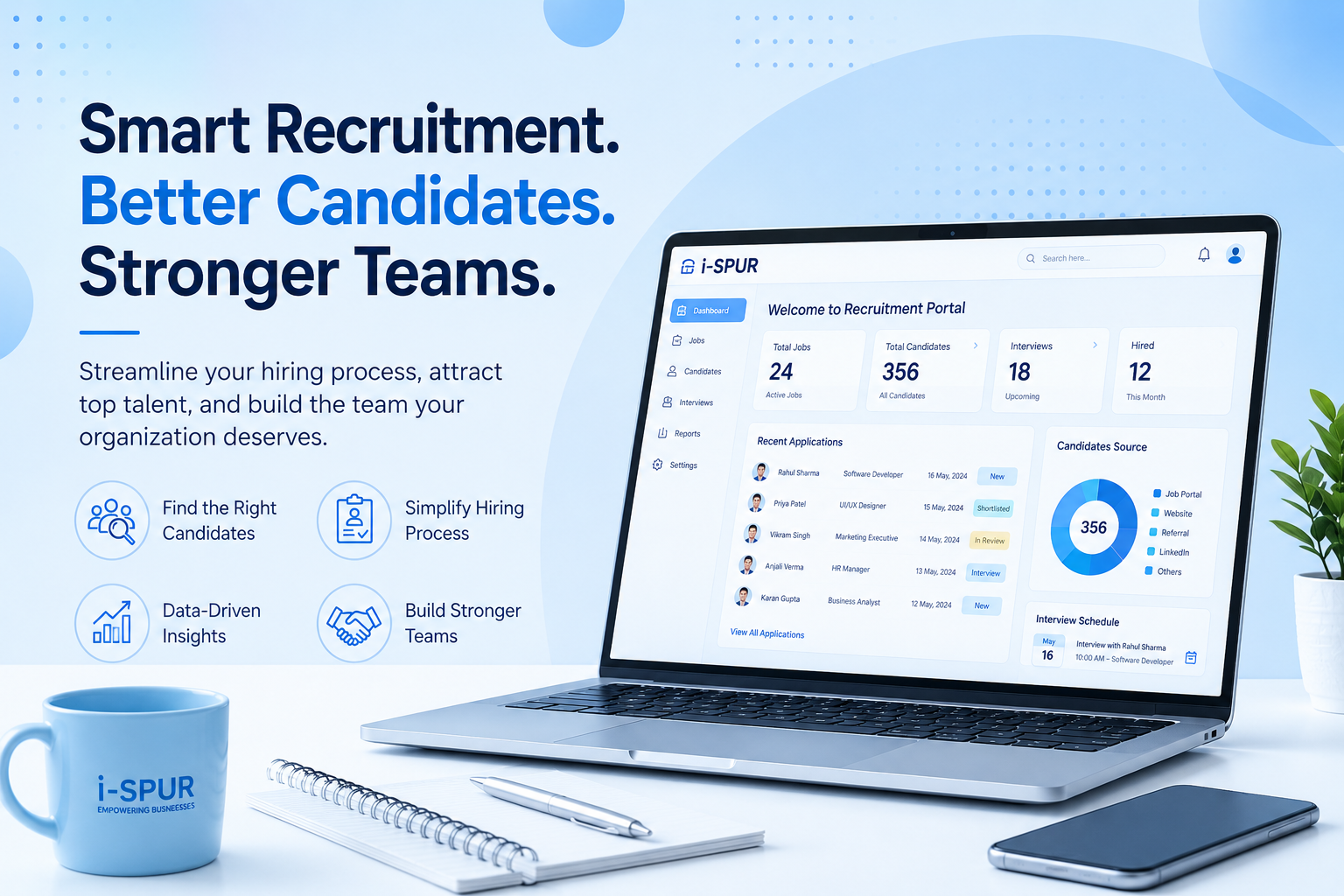
Modern recruitment systems help organizations manage applications, schedule interviews, track candidates, and streamline communication.
Technology improves efficiency by reducing manual work and helping recruiters focus on candidate evaluation rather than administrative tasks.
Some benefits of digital recruitment include:
- Faster application processing
- Improved candidate tracking
- Better communication
- Enhanced reporting and analytics
Technology also helps organizations handle large volumes of applications without sacrificing quality.
As hiring demands continue to grow, technology will play an increasingly important role in recruitment success.
Creating an Effective Recruitment Process
A successful recruitment process begins long before a job vacancy is posted.
Organizations should first understand the specific skills, qualifications, and attributes required for the role.
Clear job descriptions help attract candidates who are genuinely suited to the position.
The recruitment process should also be structured and consistent.
This includes:
- Defining evaluation criteria
- Conducting effective interviews
- Assessing technical skills
- Evaluating cultural fit
Consistency helps ensure fair hiring decisions and improves overall recruitment quality.
Why Candidate Experience Matters
Candidate experience refers to how job applicants perceive and interact with an organization throughout the recruitment process.
Every interaction contributes to this experience.
Candidates notice:
- Response times
- Communication quality
- Interview professionalism
- Application simplicity
Even candidates who are not selected can leave with a positive impression if they feel respected and informed.
A positive candidate experience can strengthen employer branding and encourage future applications.
In today's connected world, candidate experiences are often shared through reviews and professional networks.
Organizations that prioritize candidate experience often gain a competitive advantage in talent acquisition.
Recruitment Challenges Organizations Face Today
The recruitment landscape continues to evolve, creating new challenges for employers.
Some common challenges include:
Talent Shortages
Many industries face increasing demand for specialized skills.
High Competition
Top candidates often receive multiple job offers.
Changing Expectations
Employees increasingly seek flexibility and career growth opportunities.
These challenges require organizations to become more strategic in their recruitment efforts.
Organizations that adapt quickly are often better positioned to attract and retain talented professionals.
The Importance of Diversity in Hiring
Diverse teams bring different perspectives, experiences, and ideas to the workplace.
Organizations that prioritize diversity often benefit from:
- Greater innovation
- Improved problem-solving
- Stronger collaboration
Diversity should be viewed as a business advantage rather than simply a hiring objective.
Inclusive recruitment practices help organizations access broader talent pools and create more dynamic workplaces.
Recruitment and Long-Term Growth
Successful recruitment is directly connected to long-term organizational growth.
Every hiring decision contributes to future performance.
Organizations that consistently attract skilled professionals often experience:
- Higher productivity
- Stronger workplace culture
- Improved innovation
- Better customer experiences
Recruitment should therefore be viewed as an investment rather than an expense.
Building strong teams today helps create stronger organizations tomorrow.
Future Trends in Recruitment
The future of recruitment will continue to be influenced by technology, changing workforce expectations, and evolving business needs.
Some emerging trends include:
- AI-assisted recruitment
- Skills-based hiring
- Remote recruitment
- Data-driven hiring decisions
Organizations that embrace these trends while maintaining a human-centered approach will be better prepared for future hiring challenges.
Technology can improve efficiency, but successful recruitment will always require human judgment, communication, and relationship-building.
Frequently Asked Questions
Why is recruitment important?
Recruitment helps organizations attract, evaluate, and hire talented professionals who contribute to business success.
What is candidate experience?
Candidate experience refers to how job seekers perceive the recruitment process and interactions with an organization.
How does technology improve recruitment?
Technology streamlines application management, communication, candidate tracking, and reporting.
Why is employer branding important?
A strong employer brand helps attract qualified candidates and improves recruitment outcomes.
What are the biggest recruitment challenges today?
Talent shortages, increased competition, changing candidate expectations, and evolving workforce needs are major challenges.
How can organizations improve hiring quality?
Organizations can improve hiring quality through structured recruitment processes, clear evaluation criteria, and positive candidate experiences.
Build Stronger Teams with Smart Recruitment
Modern hiring requires more than collecting resumes.
Explore recruitment solutions that help manage applicants, improve hiring efficiency, automate recruitment processes, and connect your organization with the right talent.
Explore More: https://i-spur.com/recruitment-portal
Conclusion
Recruitment is no longer just about filling positions. It is about building teams that drive innovation, productivity, and long-term success.
Organizations that invest in smart recruitment strategies, strong employer branding, and positive candidate experiences are better positioned to attract and retain top talent.
As workforce expectations continue to evolve, recruitment will remain one of the most important functions within any organization.
The future belongs to organizations that recognize talent as their greatest asset and treat recruitment as a strategic opportunity rather than a routine process.