In today's digital-first world, data has become one of the most valuable assets any organization owns. From financial records and HR documents to contracts, project files, customer information, and operational reports, businesses generate and manage thousands of files every day. As organizations grow, so does the challenge of storing, organizing, securing, and sharing this information efficiently.
For many years, businesses relied on local computers, USB drives, and traditional file servers to store their documents. While these methods worked for smaller teams, they often created significant challenges when organizations expanded. Files became difficult to locate, multiple versions of the same document appeared across departments, and sharing information securely became increasingly complicated.
Today, organizations need a smarter approach to file management. Teams work across multiple locations, employees collaborate remotely, and business information must remain accessible while still being protected. This is why secure cloud storage has become a critical part of modern business operations.
Cloud storage is no longer simply a place to save files. It has evolved into a powerful business tool that helps organizations improve collaboration, strengthen security, simplify access control, and maintain complete visibility over company data.
Businesses that invest in secure cloud storage solutions are not just organizing files more effectively—they are building a stronger foundation for productivity, compliance, and long-term growth.
The Growing Importance of Digital File Management
Every department within an organization relies on information.
Finance teams manage invoices and financial reports. Human resource departments handle employee records and payroll documents. Sales teams maintain customer proposals and contracts. Operations teams store project documents and internal reports.
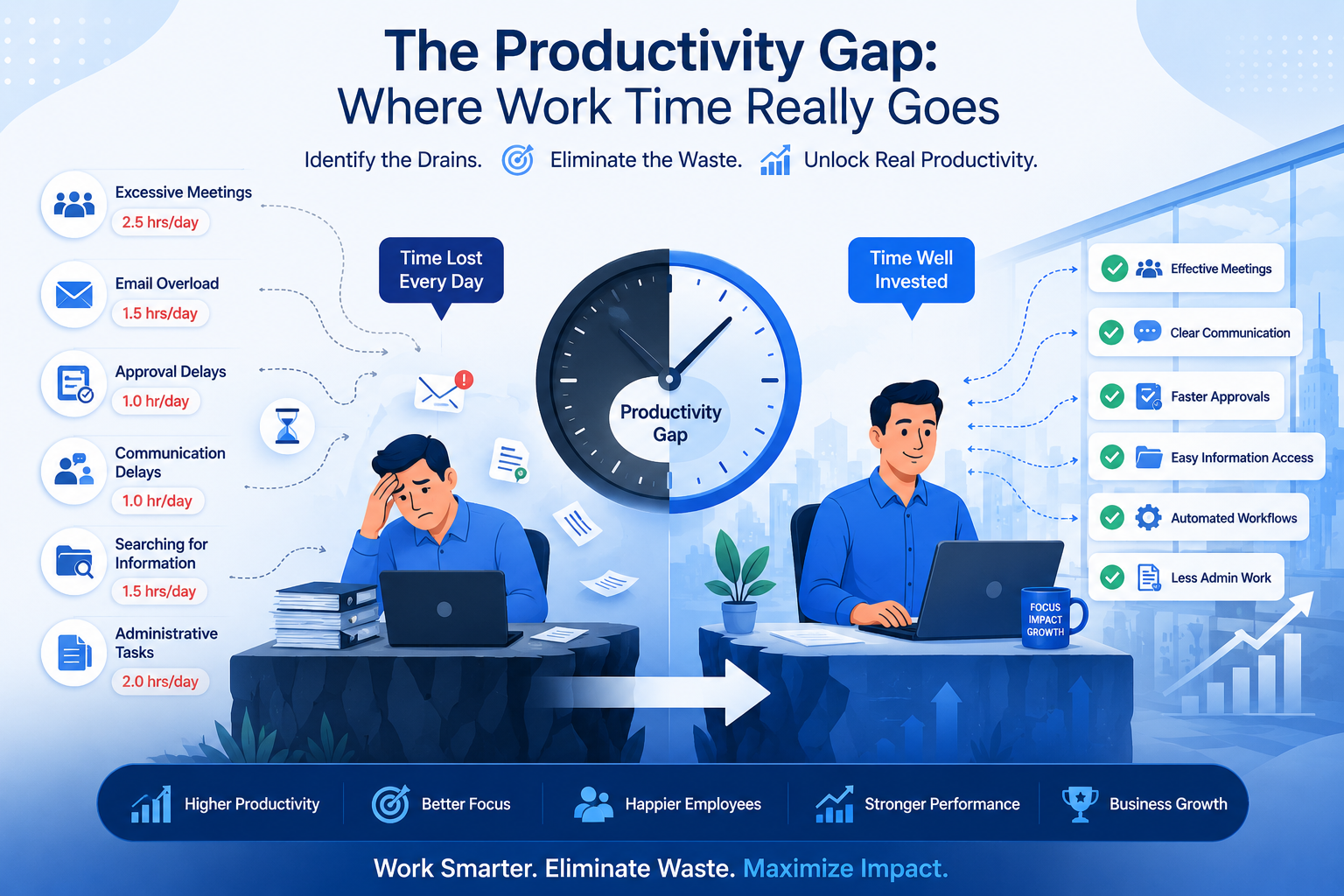
As the volume of information increases, managing files manually becomes increasingly difficult.
Employees often face challenges such as:
- Searching through multiple folders
- Finding outdated file versions
- Sharing documents through email attachments
These issues may appear small individually, but collectively they can reduce productivity and create unnecessary risks.
Modern organizations need a centralized system that allows employees to access the right information at the right time while maintaining security and control.
Cloud storage provides that solution.
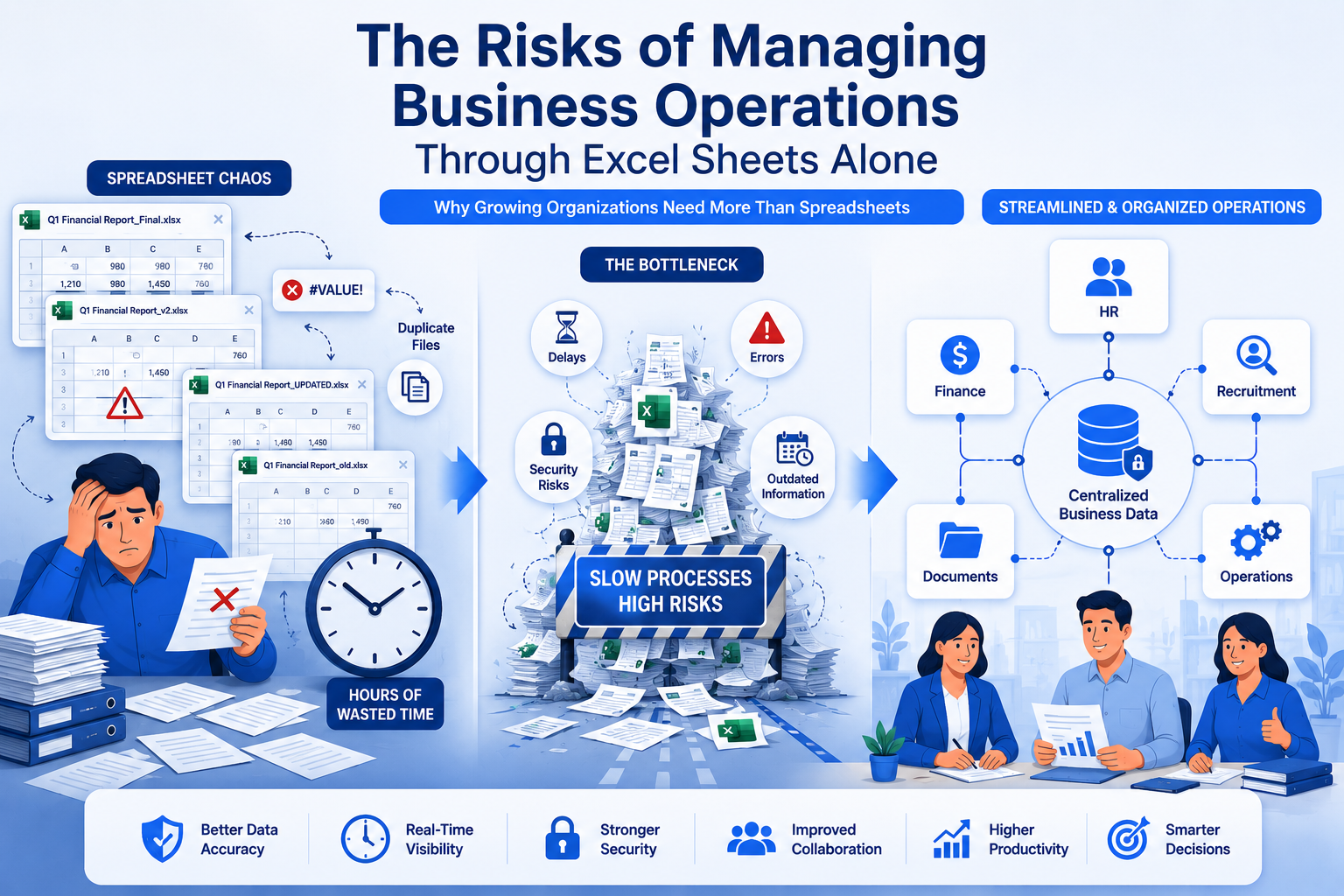
Why Traditional File Storage Is No Longer Enough
Many organizations continue to rely on local servers, shared drives, or disconnected storage systems.
Although these methods may seem familiar, they often introduce several limitations.
Employees frequently encounter situations where:
- Files are stored in multiple locations
- Access permissions are unclear
- Important documents are accidentally overwritten
As organizations grow, these challenges become more difficult to manage.
Traditional storage systems were not designed for today's collaborative and mobile work environment.
Modern businesses require solutions that support real-time access, secure sharing, and flexible permission management.
Cloud storage addresses these needs while improving overall operational efficiency.
Centralized Access to Business Information
One of the greatest advantages of cloud storage is centralization.
Instead of storing documents across multiple systems, organizations can maintain all business information in a single secure environment.
This provides several benefits.
Employees can quickly locate files without wasting time searching through disconnected folders. Teams can collaborate using the latest version of a document, reducing confusion and duplication.
Most importantly, organizations gain better visibility into how information is being used.
A centralized approach simplifies file management and helps maintain consistency across departments.
The Role of Security in Modern Cloud Storage
As cyber threats continue to increase, file security has become a top priority for organizations of all sizes.
Businesses regularly handle confidential information such as:
- Financial statements
- Employee records
- Customer contracts
- Strategic plans
Protecting this information is essential.
Modern cloud storage platforms provide multiple layers of security to reduce risk and safeguard business data.
These protections often include:
- Encryption
- Access controls
- Activity monitoring
Strong security measures help organizations maintain trust while reducing the likelihood of unauthorized access.
Data security is no longer optional—it is a business necessity.
Why Access Control Matters
Not every employee should have access to every file.
A finance executive may require access to financial records but not HR documents. Similarly, HR teams may need employee information but not sensitive legal files.
Effective access control helps organizations ensure that employees only see the information relevant to their responsibilities.
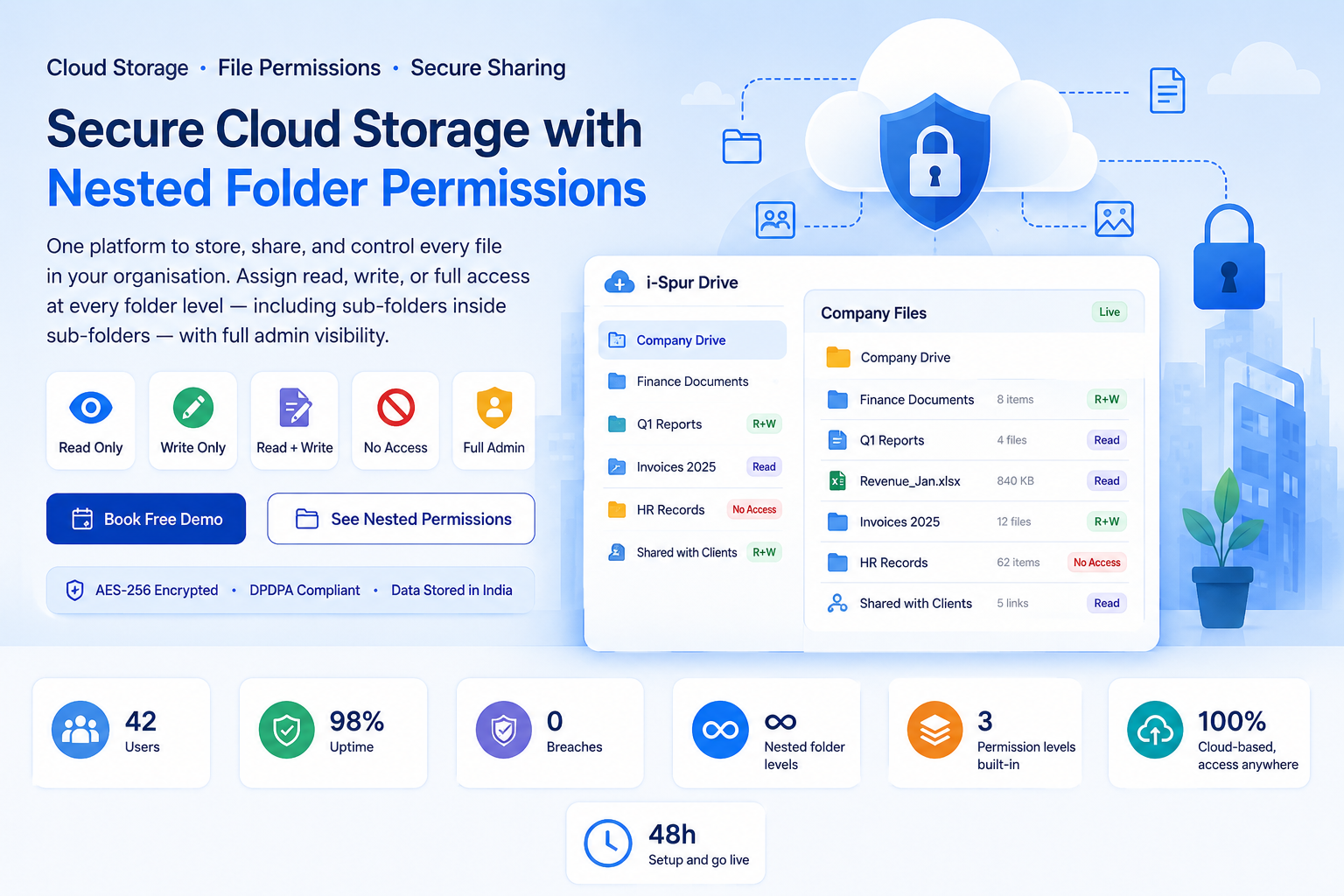
Modern cloud storage systems support:
- Read-only permissions
- Write-only permissions
- Full access permissions
This flexibility improves security while supporting operational efficiency.
Employees gain access to the information they need without exposing unnecessary data.
The Power of Nested Folder Permissions
As organizations grow, their file structures often become increasingly complex.
A single department may contain dozens of folders and sub-folders, each with different information requirements.
Traditional permission systems often struggle to manage these environments effectively.
Nested folder permissions provide a more intelligent approach.
Organizations can define access rights at different folder levels while maintaining control over deeper structures.
This allows businesses to organize information logically without sacrificing security.
For example, a finance department may contain separate folders for budgets, invoices, audits, and payroll documents. Each folder can have its own unique access rules.
This level of control improves both security and usability.
Secure File Sharing Without Compromising Security
Sharing information is a normal part of business operations.
Organizations regularly exchange files with:
- Clients
- Vendors
- Auditors
However, traditional file-sharing methods often create security concerns.
Email attachments can be forwarded, downloaded, or stored outside organizational control.
Modern cloud storage systems provide safer alternatives through secure sharing capabilities.
Organizations can create protected sharing links with expiration dates, download restrictions, and activity tracking.
This approach improves collaboration while maintaining visibility and control.
Enhancing Team Collaboration
Collaboration is essential for organizational success.
Employees frequently work together on projects, reports, presentations, and strategic initiatives.
Cloud storage improves collaboration by providing a shared environment where teams can access and update information in real time.
Instead of emailing multiple versions of the same document, employees can work from a centralized location.
Benefits include:
- Faster collaboration
- Improved accuracy
- Reduced duplication
These improvements help teams operate more efficiently and achieve better outcomes.
The Importance of File Versioning
Accidental file changes happen more often than many organizations realize.
Employees may overwrite documents, save incorrect information, or make changes that need to be reversed.
Without version control, recovering previous information can be difficult or impossible.
Modern cloud storage platforms address this challenge through file versioning.
Each update creates a new version while preserving previous copies.
This allows organizations to restore earlier versions quickly when needed.
Version control provides an additional layer of protection against accidental errors and data loss.
Audit Trails and Compliance Benefits
Many industries must maintain detailed records of document activity.
Organizations may need to demonstrate:
- Who accessed files
- When changes occurred
- How information was shared
Audit trails provide this visibility.
Modern cloud storage solutions automatically track file-related activities and create detailed logs.
These records support:
- Compliance requirements
- Internal investigations
- Security reviews
Audit visibility improves accountability and helps organizations maintain stronger governance practices.
Supporting Remote and Hybrid Work
The workplace has changed dramatically over the past few years.
Employees increasingly work from:
- Home offices
- Client locations
- Branch offices
Cloud storage helps support these flexible work arrangements by providing secure access to business information from anywhere.
Employees can remain productive regardless of location while organizations maintain centralized control over company data.
This flexibility has become essential for modern workforce management.
Why Businesses Need Secure Cloud Storage Today
Organizations can no longer rely on outdated storage methods to support modern operations.
Today's business environment requires:
- Secure access
- Efficient collaboration
- Granular permissions
- Compliance support
Cloud storage addresses these requirements while helping organizations scale effectively.
Businesses that invest in secure cloud storage often experience improved productivity, stronger security, and better information management.
Frequently Asked Questions
What is cloud storage?
Cloud storage is a system that allows organizations to store, manage, and access files through a secure online platform.
Why is cloud storage important?
It helps organizations centralize files, improve collaboration, enhance security, and support remote work.
What are nested folder permissions?
Nested folder permissions allow organizations to assign different access rights to folders and sub-folders independently.
How does cloud storage improve security?
Cloud storage uses encryption, access controls, audit logs, and monitoring to protect sensitive information.
Can cloud storage support external file sharing?
Yes. Secure sharing links allow organizations to share files with clients, vendors, and external partners while maintaining control.
What is file versioning?
File versioning stores previous versions of documents so users can restore earlier copies when necessary.
Conclusion
As organizations continue generating larger volumes of data, effective file management becomes increasingly important. Secure cloud storage provides a modern solution that combines accessibility, collaboration, security, and administrative control.
With advanced features such as nested folder permissions, secure sharing, audit trails, version control, and role-based access management, businesses can protect sensitive information while enabling employees to work more efficiently.
The future of business operations depends on the ability to manage information intelligently. Organizations that invest in secure cloud storage today are creating a stronger, more secure, and more productive foundation for tomorrow.
Explore Secure Cloud Storage Solutions
Looking for a smarter way to store, manage, and share business files?
Discover secure cloud storage with nested folder permissions, role-based access control, encrypted file sharing, audit trails, and enterprise-grade security.
Explore More : https://i-spur.com/cloude-storage