Table of Contents
- What Is Business Automation Software?
- Why SMEs Need Business Automation
- Common Problems SMEs Face
- 1. Time-Consuming Manual Work
- 2. Communication Gaps
- 3. Operational Errors
- 4. Lack of Centralized Data
- 5. Difficulty Scaling Operations
- Key Features SMEs Should Look For
- Centralized Management
- Workflow Automation
- Real-Time Analytics
- Secure Communication
- Scalability
- Important Business Areas SMEs Should Automate
- 1. HR & Employee Management
- 2. Internal Communication
- 3. Accounts & Vendor Management
- 4. Project & Workflow Management
- 5. Customer Engagement & Digital Access
- Benefits of Business Automation for SMEs
- 1. Saves Time
- 2. Improves Accuracy
- 3. Reduces Operational Costs
- 4. Improves Team Productivity
- 5. Better Decision-Making
- Industries That Benefit from Business Automation
- Retail
- IT Companies
- Manufacturing
- Healthcare
- Corporate Businesses
- Why SMEs Are Investing in Digital Transformation
- Future of Business Automation
- Frequently Asked Questions (FAQs)
- What is business automation software?
- Why do SMEs need automation?
- Which business areas should SMEs automate first?
- Does automation reduce operational costs?
- Is business automation suitable for small businesses?
- What are the benefits of centralized business management?
- Conclusion
- Explore Smart Business Automation Solutions
Small and medium-sized businesses (SMEs) are growing faster than ever in today’s digital economy. However, managing operations manually can quickly become difficult as businesses expand.
From employee management and communication to accounting, project tracking, and customer engagement, SMEs often struggle with disconnected systems, repetitive tasks, and operational inefficiencies.
This is why business automation software has become essential for modern businesses.
Automation helps SMEs improve productivity, reduce manual workload, save time, and create more organized operations without requiring large teams or complex infrastructure.
Businesses that invest in smart automation tools today are better prepared for long-term growth, scalability, and operational efficiency.
What Is Business Automation Software?
Business automation software helps companies automate repetitive daily tasks and manage operations through centralized digital systems.
Instead of handling everything manually, businesses can automate workflows related to:
- HR management
- Attendance tracking
- Payroll
- Internal communication
- Project management
- Financial operations
- Vendor management
- Reporting
- Customer engagement
Automation reduces human errors and improves operational efficiency.
Why SMEs Need Business Automation
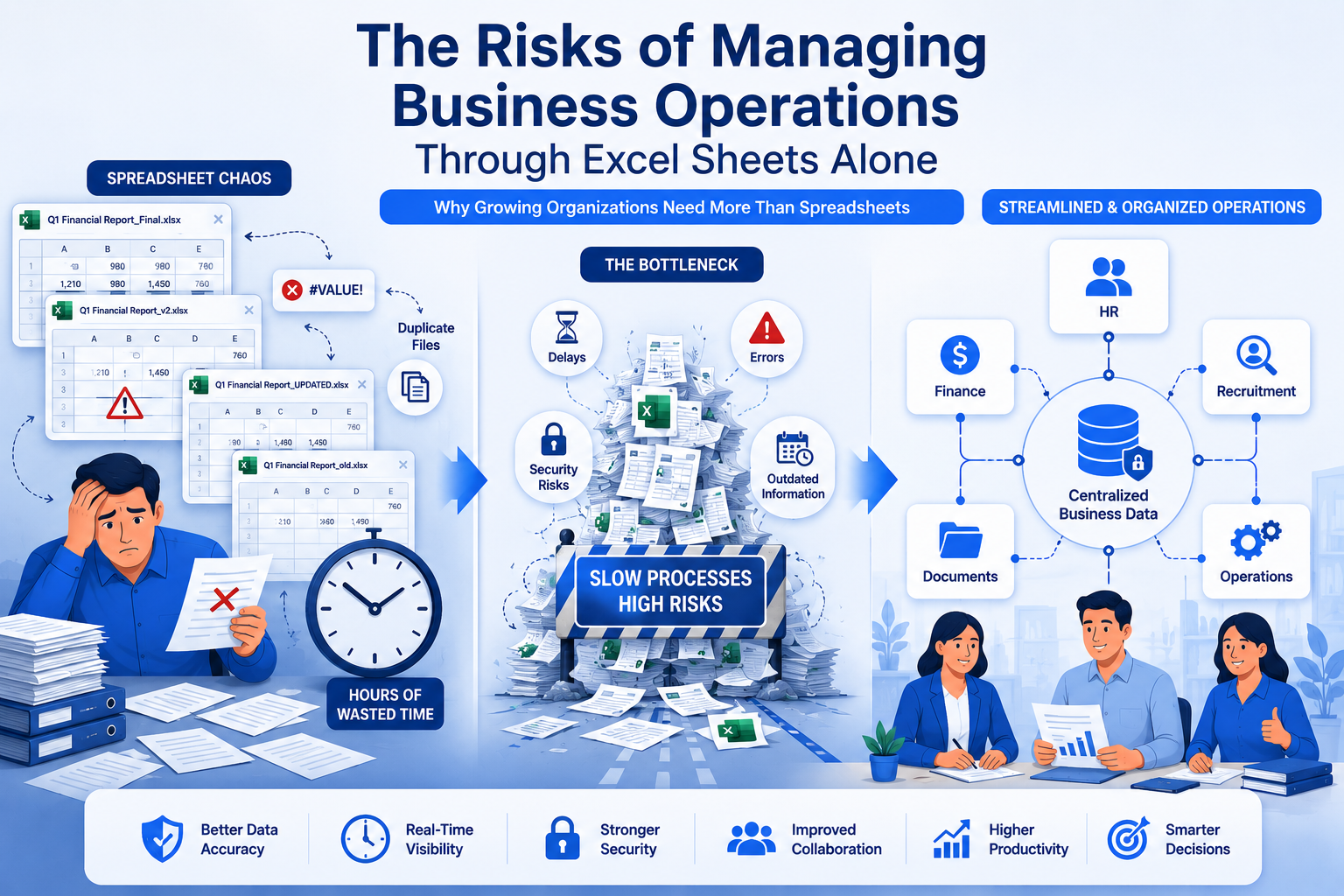
Small businesses often operate with limited resources and smaller teams. Manual processes may work initially, but as operations grow, businesses start facing several challenges.
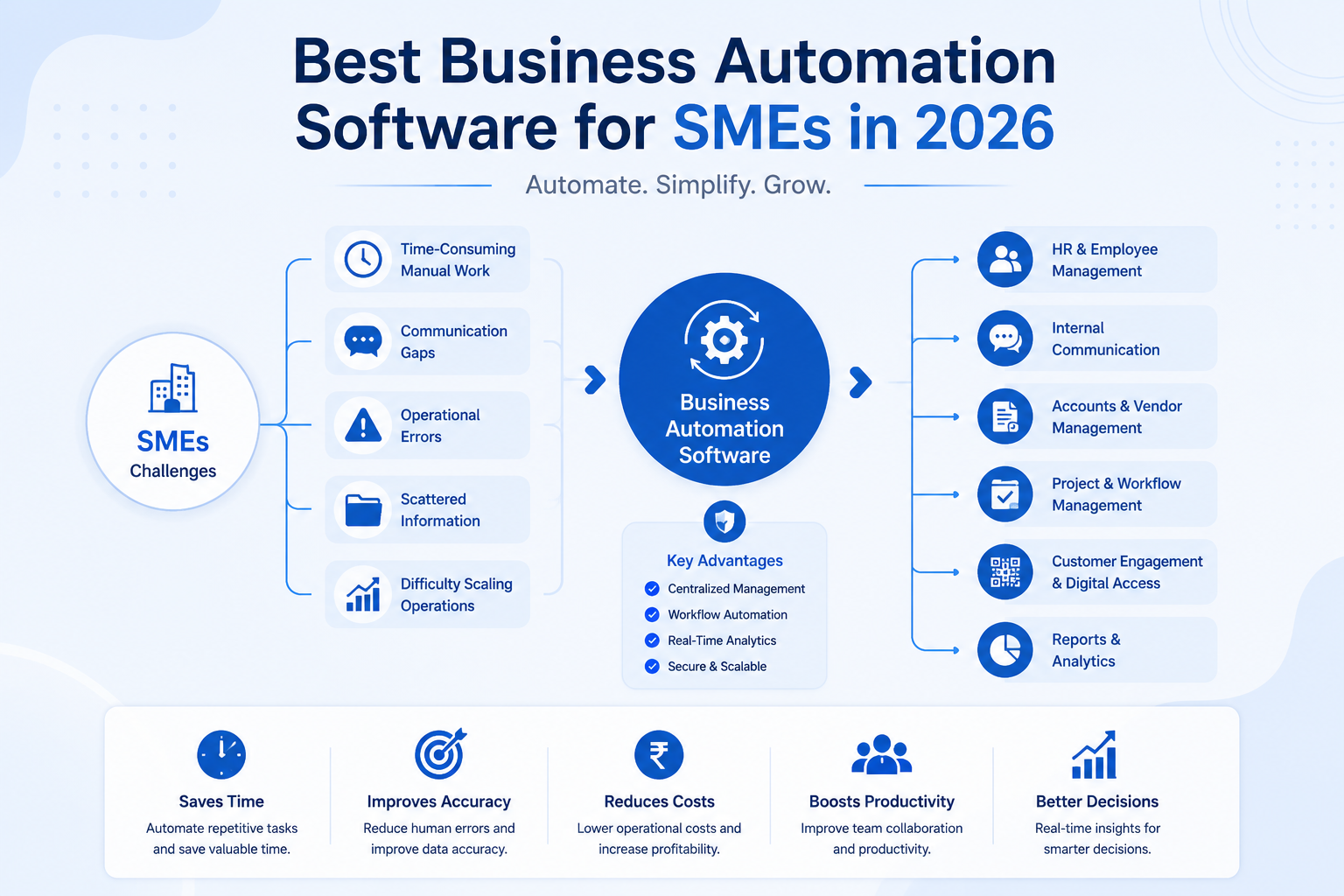
Common Problems SMEs Face
1. Time-Consuming Manual Work
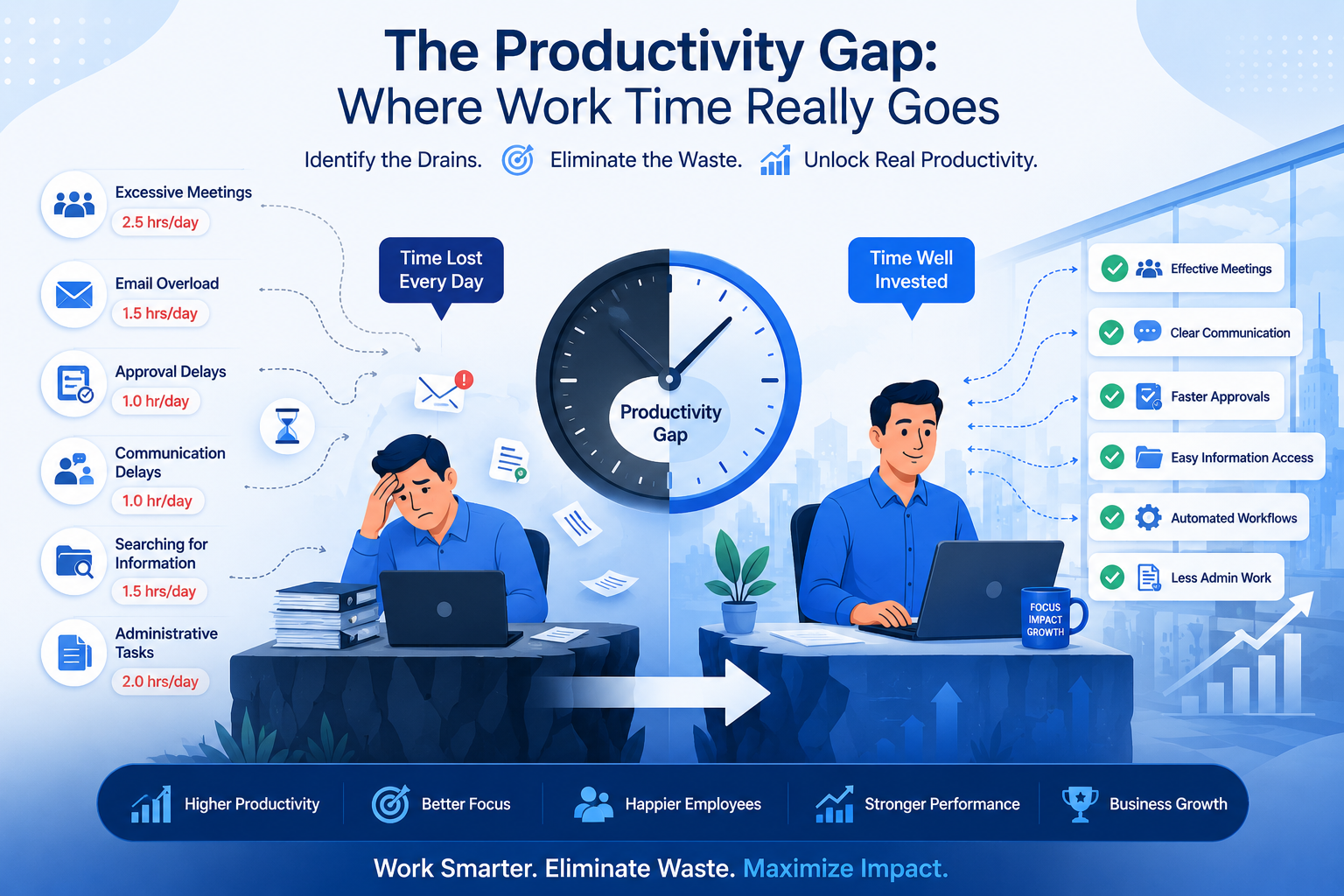
Employees spend too much time updating spreadsheets, tracking attendance, managing invoices, and handling repetitive administrative tasks.
2. Communication Gaps
Using multiple apps and disconnected systems creates confusion and delays between teams.
3. Operational Errors
Manual processes increase the risk of:
- Payroll mistakes
- Invoice mismatches
- Attendance errors
- Data duplication
4. Lack of Centralized Data
Business information gets scattered across emails, files, and software platforms, making management difficult.
5. Difficulty Scaling Operations
As businesses grow, manual systems become inefficient and harder to manage.
Business automation software helps solve these problems by creating streamlined and centralized workflows.
Key Features SMEs Should Look For
When choosing business automation software, SMEs should focus on solutions that simplify operations without adding unnecessary complexity.
Centralized Management
A good automation system should allow businesses to manage:
- Employees
- Communication
- Finance
- Projects
- Reports
- Documents
from one platform.
Workflow Automation
Automated workflows help businesses reduce repetitive manual tasks such as:
- Attendance tracking
- Payroll calculations
- Invoice approvals
- Purchase order processing
- Reporting
Real-Time Analytics
Modern systems provide dashboards and reports that help businesses monitor:
- Productivity
- Expenses
- Team performance
- Financial activities
- Project progress
Secure Communication
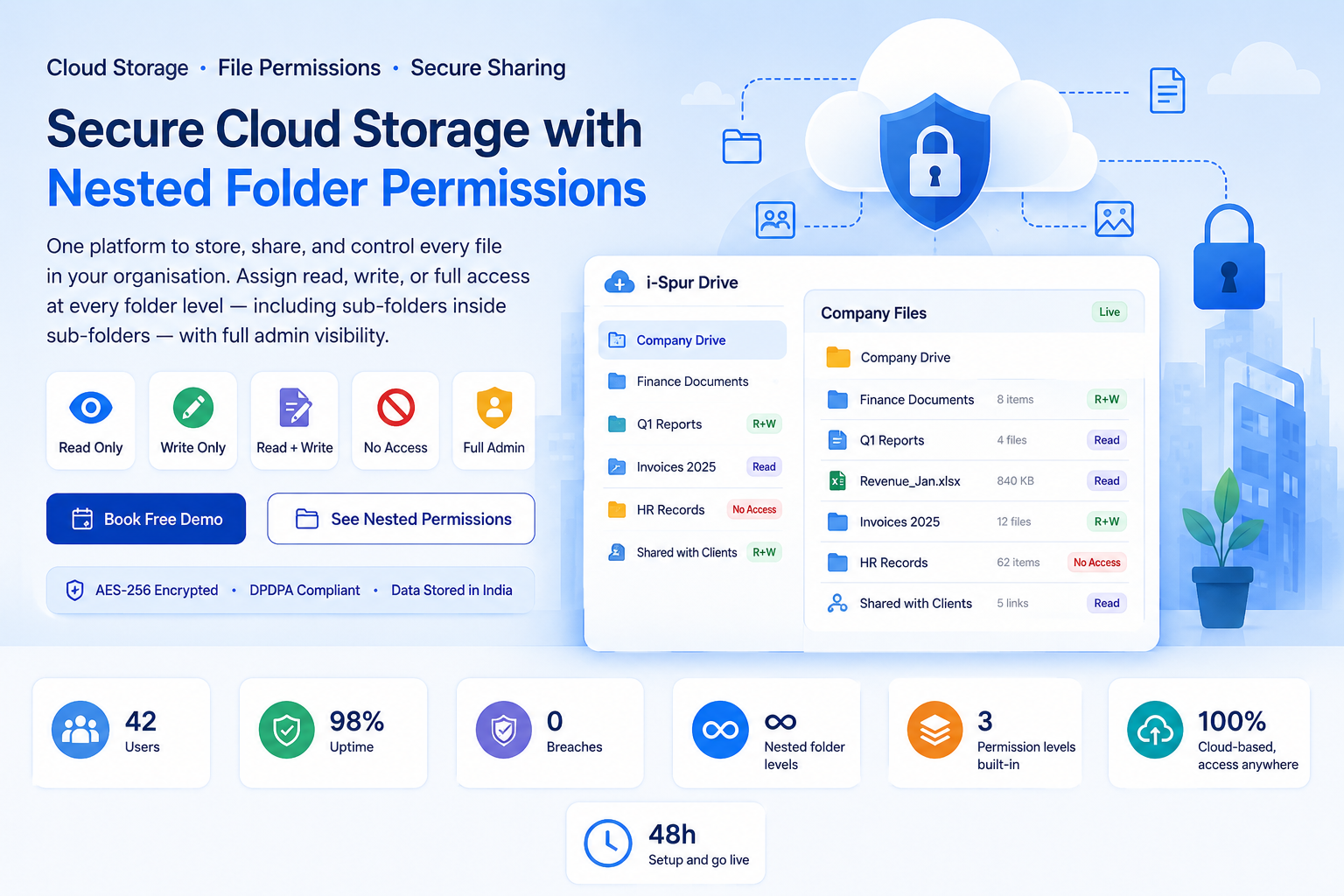
Secure enterprise communication tools help businesses improve collaboration while protecting company information.
Scalability
SMEs should choose platforms that can grow with the business and support future operational expansion.
Important Business Areas SMEs Should Automate
1. HR & Employee Management
Managing attendance, payroll, leave tracking, and employee records manually becomes difficult over time.
HRMS software helps businesses:
- Automate attendance
- Simplify payroll
- Manage employee data
- Improve workforce organization
This reduces HR workload and improves efficiency.
2. Internal Communication
Communication delays affect productivity and team coordination.
Secure communication platforms help SMEs:
- Centralize conversations
- Share files securely
- Improve collaboration
- Reduce communication confusion
3. Accounts & Vendor Management
Managing invoices, vendors, budgets, and purchase orders manually can create financial inefficiencies.
Automated financial systems help businesses:
- Process invoices faster
- Track vendor payments
- Monitor budgets
- Improve reporting accuracy
4. Project & Workflow Management
Project tracking software helps SMEs:
- Assign tasks
- Monitor deadlines
- Improve team coordination
- Reduce project delays
This improves overall operational visibility.
5. Customer Engagement & Digital Access
Businesses are increasingly using:
- QR systems
- Link management tools
- Digital landing pages
to improve customer interaction and online accessibility.
Benefits of Business Automation for SMEs
1. Saves Time
Automation reduces repetitive tasks and allows employees to focus on more important work.
2. Improves Accuracy
Digital systems reduce errors in:
- Payroll
- Accounting
- Attendance
- Reporting
3. Reduces Operational Costs
Businesses can operate more efficiently with fewer manual processes and reduced administrative workload.
4. Improves Team Productivity
Centralized systems help teams communicate and collaborate more effectively.
5. Better Decision-Making
Real-time reports and analytics help business owners make faster and smarter decisions.
Industries That Benefit from Business Automation
Automation software is useful across multiple industries.
Retail
- Inventory tracking
- Customer engagement
- Billing systems
IT Companies
- Project management
- HR operations
- Communication systems
Manufacturing
- Vendor management
- Workflow automation
- Cost tracking
Healthcare
- Employee management
- Appointment systems
- Secure communication
Corporate Businesses
- HRMS
- Accounts management
- Enterprise communication
Why SMEs Are Investing in Digital Transformation
Digital transformation is no longer only for large enterprises.
SMEs are investing in automation because it helps them:
- Scale faster
- Improve operational control
- Reduce inefficiencies
- Improve customer experiences
- Stay competitive
Businesses using modern automation systems often operate more efficiently and adapt faster to changing market demands.
Future of Business Automation
Business automation technology continues evolving rapidly.
Future automation systems are expected to focus more on:
- AI-powered workflows
- Predictive analytics
- Smart reporting
- Integrated business ecosystems
- Cloud-based operations
- Real-time collaboration tools
Businesses adopting automation early will be better positioned for long-term growth.
Frequently Asked Questions (FAQs)
What is business automation software?
Business automation software helps companies automate repetitive tasks and manage operations digitally.
Why do SMEs need automation?
Automation improves productivity, reduces manual work, improves accuracy, and helps businesses scale more efficiently.
Which business areas should SMEs automate first?
SMEs should prioritize:
- HR management
- Accounting
- Communication
- Project management
- Workflow tracking
Does automation reduce operational costs?
Yes. Automation reduces administrative workload, improves efficiency, and minimizes operational errors.
Is business automation suitable for small businesses?
Yes. Automation helps small businesses improve organization, productivity, and scalability.
What are the benefits of centralized business management?
Centralized systems improve visibility, communication, reporting, and workflow efficiency across departments.
Conclusion
Modern SMEs need faster, smarter, and more organized operational systems to remain competitive in today’s digital business environment.
Business automation software helps companies simplify workflows, improve productivity, reduce manual workload, and create scalable operations.
From HR management and communication to accounting and project tracking, automation is helping SMEs transform the way they operate.
Businesses investing in digital automation today are building stronger foundations for future growth and long-term success.
Explore Smart Business Automation Solutions
Looking for smarter ways to manage your business operations?
Explore modern business automation solutions for HRMS, communication, accounting, project management, QR systems, and workflow management.
Explore More: https://i-spur.com/hrms-system