
Table of Contents
- How Digital Records Improve Collaboration Across Departments
- What Are Digital Records?
- Why Collaboration Depends on Information
- The Challenges of Paper Files and Scattered Documents
- One Central Source of Information One of the biggest advantages of digital records is centralization.
- Improving Document Collaboration
- Better Information Sharing Across Departments
- Supporting Human Resources
- Helping Finance Work More Efficiently
- Reducing Duplicate Work
- Faster Decision-Making
- Better Security with Controlled Access
- Supporting Remote and Hybrid Teams
- Strengthening Business Continuity
- Benefits of Digital Records for Collaboration
- Preparing for the Future
- Final Thoughts
How Digital Records Improve Collaboration Across Departments
In every organization, departments depend on one another to keep the business running smoothly. Human Resources works closely with Finance to process payroll, Recruitment coordinates with department managers to hire new employees, Projects rely on Operations to meet deadlines, Procurement collaborates with Finance for purchase approvals, and Customer Support often works with Sales and Technical teams to resolve customer issues. Although every department has its own responsibilities, no team operates in isolation. Effective collaboration is what allows businesses to deliver consistent services, make better decisions, and achieve long-term growth.
However, collaboration becomes difficult when information is scattered across multiple locations. Many growing businesses still manage important documents using spreadsheets, email attachments, local computer folders, paper files, and separate cloud storage platforms. Employees often spend valuable time searching for documents, requesting updated versions from colleagues, or waiting for someone from another department to send the required information. Instead of focusing on meaningful work, teams lose productivity because they cannot quickly access the information they need.
Imagine a situation where the Human Resources department updates an employee's records, but Finance continues using an outdated version while processing payroll. Or consider a project team waiting for legal documents that have already been approved but remain buried inside someone's email inbox. These situations occur frequently in organizations where information is not managed centrally. Small communication delays gradually turn into larger operational problems that affect customer satisfaction, employee productivity, and overall business performance.
As organizations continue to grow, the volume of business documents also increases. Contracts, invoices, employee records, purchase requests, policies, project files, training materials, compliance documents, reports, and customer information must all be shared between departments. Without a structured system for managing digital records, collaboration becomes increasingly difficult.
This is why more organizations are investing in digital records management, document collaboration, and centralized information-sharing platforms. Instead of storing files in disconnected systems, businesses create secure digital environments where authorized employees can access the latest version of documents whenever they need them. Every update is recorded automatically, collaboration becomes faster, and departments work from the same reliable source of information.
Digital records are much more than electronic documents. They create a connected workplace where information moves efficiently between teams, communication improves, decisions become faster, and employees spend less time searching for files and more time delivering value to the business.
What Are Digital Records?
Digital records are electronic versions of business information that are securely stored, organized, and managed within a digital system.
These records may include employee files, invoices, contracts, project documentation, purchase orders, policies, training materials, customer agreements, compliance records, reports, and many other business documents.
Unlike paper files or scattered folders, digital records remain accessible through one centralized platform where authorized employees can retrieve information whenever required.
They provide a reliable foundation for efficient collaboration and business continuity.
Why Collaboration Depends on Information
Every business process involves sharing information.Human Resources shares employee details with Payroll.Finance shares payment records with Procurement.
Projects exchange documentation with Operations.Sales communicates customer requirements with Customer Support.None of these activities can function efficiently without accurate information.
When documents are difficult to locate or outdated versions continue circulating, collaboration slows down.Employees spend more time requesting information than completing their responsibilities.
Digital records solve this challenge by ensuring everyone works with the same information.
The Challenges of Paper Files and Scattered Documents
Many organizations still rely on a combination of paper documents, spreadsheets, email attachments, and multiple storage locations.
Although these methods appear manageable initially, they become increasingly inefficient as businesses grow.
Employees often face challenges such as:
- Searching through multiple folders for the latest document.
- Receiving different versions of the same file.
- Waiting for another department to share information.
- Accidentally working with outdated records.
- Losing valuable documents because they were stored incorrectly.
These problems reduce productivity while creating unnecessary delays.
One Central Source of Information One of the biggest advantages of digital records is centralization.
Instead of storing files across different departments, every approved document is maintained in one secure location.
Employees no longer need to ask colleagues for copies or verify which version is correct.Everyone accesses the same document.Updates become immediately available to authorized users.
This creates consistency throughout the organization.A centralized repository becomes the organization's trusted source of business information.
Improving Document Collaboration
Document collaboration becomes much easier when employees work with shared digital records.
Instead of emailing files back and forth, multiple departments can collaborate using one controlled document.Managers review content.Teams provide feedback.Approvals follow predefined workflows.Version history records every change.
Employees spend less time managing files and more time improving business outcomes.
Document collaboration becomes faster, more transparent, and significantly more efficient.
Better Information Sharing Across Departments
Information sharing is essential for smooth business operations.Every department depends on accurate information from other teams.Without centralized records, information often remains isolated.Departments create duplicate files.Important updates fail to reach everyone.Communication becomes inconsistent.
Digital records improve information sharing by ensuring that authorized employees always have access to current business information.
Departments collaborate more naturally because information flows without unnecessary barriers.
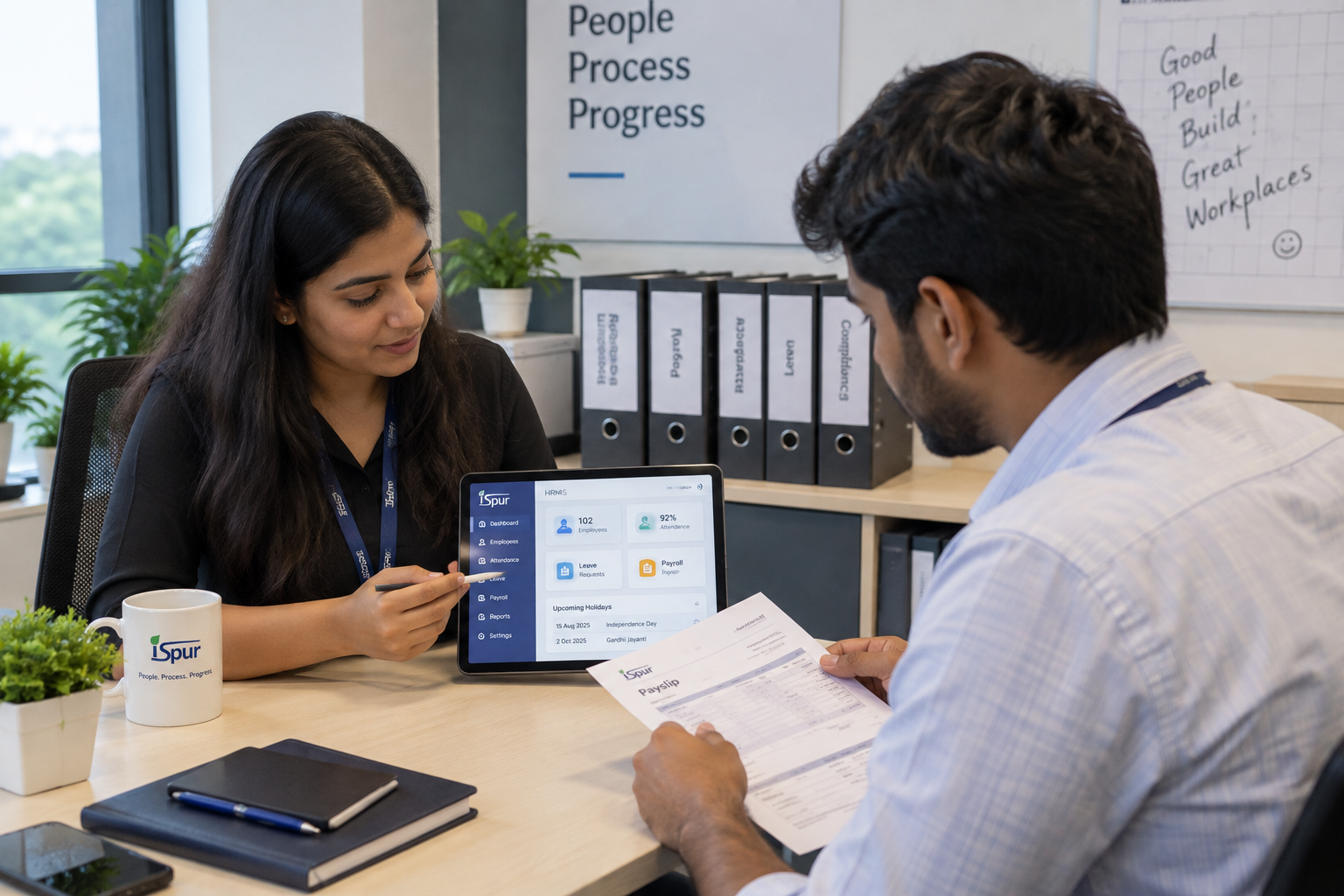
Supporting Human Resources
Human Resources manages a large number of employee documents, including contracts, identification records, performance reviews, attendance reports, training certificates, payroll documentation, and policy acknowledgements.
These documents are frequently required by Finance, Management, Compliance, and Payroll teams.
Digital records allow authorized departments to access relevant employee information without requesting files manually.
HR spends less time responding to document requests while improving service across the organization.
Helping Finance Work More Efficiently
Finance departments depend heavily on accurate documentation.Invoices, purchase orders, expense claims, payment approvals, tax records, vendor agreements, and payroll documents all require careful management.
Digital records reduce delays by making financial documents immediately available to authorized users.Approvals move faster.Duplicate paperwork decreases.
Financial reporting becomes more accurate because everyone works with current information.
Improving Project CollaborationProjects involve multiple departments working toward common objectives.
Project managers coordinate with HR, Procurement, Finance, Operations, Legal, and Clients throughout the project lifecycle.
Without centralized documentation, communication gaps frequently occur.
Digital records ensure that project documentation remains organized and accessible.
Team members always know where to find drawings, contracts, schedules, reports, approvals, and meeting records.
Project collaboration becomes smoother because information is shared consistently.
Reducing Duplicate Work
Duplicate work is one of the biggest hidden costs of poor document management.
Employees recreate documents they cannot locate.Departments maintain separate versions of the same information.Multiple employees perform identical administrative tasks.
Digital records eliminate these inefficiencies.Information only needs to be created once.Every authorized department accesses the same record.Organizations reduce unnecessary work while improving overall productivity.
Faster Decision-Making
Business leaders rely on timely information.When documents are scattered across multiple systems, collecting information takes time.Executives wait for reports.
Managers request updates.Employees search through folders.Decision-making slows down.Digital records provide immediate access to reliable information.
Leadership teams spend less time gathering documents and more time evaluating business opportunities.Organizations become more responsive and agile.
Better Security with Controlled Access
Effective collaboration should never compromise security.Digital records allow organizations to define who can view, edit, approve, or share specific documents.
Sensitive employee records remain visible only to authorized HR personnel.Financial information remains protected.Project documentation is shared only with relevant teams.Role-based permissions improve security while supporting efficient collaboration.
Supporting Remote and Hybrid Teams
Modern workplaces are no longer limited to one physical office.Employees collaborate from homes, branch offices, client locations, and different cities.
Digital records make this flexibility possible.Authorized users securely access documents from anywhere.
Teams continue collaborating regardless of location.Business operations remain uninterrupted.Organizations support hybrid work while maintaining strong information management.
Strengthening Business Continuity
Unexpected situations such as employee absences, office closures, or hardware failures should not interrupt business operations.
Digital records protect organizations by ensuring important information remains securely stored and accessible.
Knowledge is no longer limited to one computer or one employee.Departments continue working because information remains available whenever it is needed.Business continuity becomes much stronger.
Benefits of Digital Records for Collaboration
Organizations implementing digital records management often experience measurable improvements throughout the business.
Some of the most valuable benefits include:
- Faster document collaboration across multiple departments.
- Better information sharing through centralized records.
- Reduced duplicate work and fewer document errors.
- Stronger security with controlled document access.
- Improved decision-making supported by accurate information.
- Better productivity through faster access to business records.
These improvements help businesses create more connected, efficient, and collaborative workplaces.
Preparing for the Future
As businesses continue adopting Artificial Intelligence, workflow automation, cloud platforms, and integrated enterprise software, digital records will become even more important.
Modern technologies depend on accurate, organized information.Organizations that continue relying on paper files and disconnected storage systems will find it increasingly difficult to compete.
Businesses investing in digital records today are building a strong foundation for future innovation.Connected information supports automation, collaboration, analytics, and smarter business processes across every department.
Final Thoughts
Successful collaboration depends on more than good communication—it depends on having the right information available at the right time. When documents are scattered across emails, paper files, spreadsheets, and disconnected systems, employees waste valuable time searching for information, managing duplicate records, and waiting for updates from other departments. These delays reduce productivity and create unnecessary obstacles to business growth.
Digital records provide a smarter way to manage information by creating a centralized, secure, and easily accessible environment where departments can collaborate efficiently. Through better document collaboration, structured information sharing, and reliable digital records management, organizations improve communication, reduce administrative work, strengthen security, and make faster, more informed decisions.
As businesses continue to grow and embrace digital transformation, the ability to collaborate effectively across departments will become an even greater competitive advantage. Companies that invest in centralized digital records are not simply organizing documents—they are building a connected workplace where information flows seamlessly, employees work together more effectively, and every department contributes to long-term business success.
In today's modern workplace, collaboration begins with information. And the most successful organizations are those that ensure their information is organized, accessible, secure, and shared through a well-managed digital records system.