
Table of Contents
- The End of Workplace Silos: Why Connected Systems Matter
- Understanding Workplace Silos
- Why Silos Are Becoming a Bigger Problem
- The Hidden Costs of Disconnected Systems
- How Workplace Silos Affect Collaboration
- The Importance of a Connected Digital Workplace
- Improving Operational Visibility
- Eliminating Duplicate Work
- Supporting Better Decision-Making
- Enhancing Employee Experiences
- Strengthening Organizational Agility
- The Role of Integrated Software
- Building a Culture of Collaboration
- Practical Steps to Break Down Workplace Silos
- Centralize Information
- Improve System Integration
- Encourage Cross-Department Communication
- Reduce Duplicate Processes
- Invest in Digital Workplace Solutions
- Conclusion
The End of Workplace Silos: Why Connected Systems Matter
Modern organizations generate and manage more information than ever before. Employee records, financial transactions, customer interactions, project updates, documents, communications, recruitment activities, and operational data are all critical to business success. However, despite advances in technology, many organizations continue to struggle with a common problem that limits productivity, slows decision-making, and creates operational inefficiencies.That problem is workplace silos.
Workplace silos occur when departments, teams, or systems operate independently without effectively sharing information. Instead of working as a connected organization, different parts of the business function in isolation. Human Resources may use one platform, Finance may rely on another, Projects may operate through separate tools, and Documents may be stored in multiple locations.
Initially, this may not seem like a major issue. Each department has its own processes, goals, and responsibilities. However, as organizations grow, these disconnected systems create significant challenges.
Employees spend valuable time searching for information. Managers struggle to gain a complete view of operations. Departments duplicate work. Communication becomes fragmented. Decision-making slows down.
In today's competitive environment, organizations can no longer afford to operate with disconnected systems and isolated information.This is why connected business systems are becoming increasingly important.
Connected systems help organizations break down silos, improve collaboration, increase visibility, and create a more efficient digital workplace.
The future belongs to organizations where information flows freely, departments work together seamlessly, and technology supports collaboration rather than creating barriers.
Understanding Workplace Silos
Workplace silos develop when information, processes, or communication remain confined within specific departments or teams.
In siloed environments, employees often have access only to the information within their own department.
This creates situations where:
- HR does not have visibility into project requirements.
- Finance lacks real-time operational information.
- Recruitment teams operate separately from workforce planning.
- Project managers struggle to access employee availability data.
Over time, these divisions create inefficiencies that affect the entire organization.
While each department may function effectively on its own, the organization as a whole becomes less efficient.Workplace silos are not always intentional.
In many cases, they emerge gradually as organizations adopt multiple systems and processes without considering how they interact.
Why Silos Are Becoming a Bigger Problem
Business environments have become increasingly interconnected.Organizations now rely on collaboration between departments to achieve strategic goals.Customer service depends on accurate information.
Project success depends on workforce availability,Financial planning depends on operational visibility.
When departments operate independently, important information often becomes trapped within individual systems.
This creates delays, misunderstandings, and missed opportunities,As organizations continue growing, the impact of silos becomes more significant.
What may have been manageable for a small team can become a major obstacle for a larger organization.The more information an organization generates, the more important connectivity becomes.
The Hidden Costs of Disconnected Systems
Many organizations underestimate the true cost of disconnected systems,The effects are often hidden within daily operations.
Employees spend time:
- Searching for information
- Requesting updates
- Re-entering data
- Verifying records
These activities may only consume a few minutes at a time,However, when multiplied across departments and employees, the productivity loss becomes substantial.
Disconnected systems also increase the likelihood of errors.
Duplicate data entry, outdated information, and inconsistent records can create operational challenges that affect decision-making and performance,The hidden costs extend beyond productivity.
They can also impact customer satisfaction, employee experiences, and overall business agility.
How Workplace Silos Affect Collaboration
Collaboration is essential for modern business success,Projects often involve multiple departments working together toward common goals.
However, collaboration becomes difficult when information is fragmented,Employees may struggle to access the information they need.
Departments may rely on emails, spreadsheets, or manual requests to exchange information,This creates delays and increases the risk of misunderstandings.
Connected systems improve collaboration by ensuring that relevant information is accessible across departments.
Teams can work more effectively when they share a common view of business activities,Collaboration becomes a natural part of daily operations rather than a challenge to overcome.
The Importance of a Connected Digital Workplace
A digital workplace is more than a collection of software tools.
It is an environment where people, processes, and information work together seamlessly,Connected business systems create the foundation for this environment.
Instead of managing separate platforms for every function, organizations can create a unified ecosystem where information flows automatically.
Benefits include:
- Improved visibility
- Faster communication
- Better coordination
A connected digital workplace reduces complexity and supports more efficient operations,Employees spend less time managing systems and more time contributing value.
Improving Operational Visibility
Visibility is one of the most valuable benefits of connected systems,Leaders need access to accurate information across the organization.
Without visibility, decision-making becomes difficult, can be difficult to answer when information is scattered.
Questions such as:
- Which projects are behind schedule?
- Which departments need support?
- What resources are available?
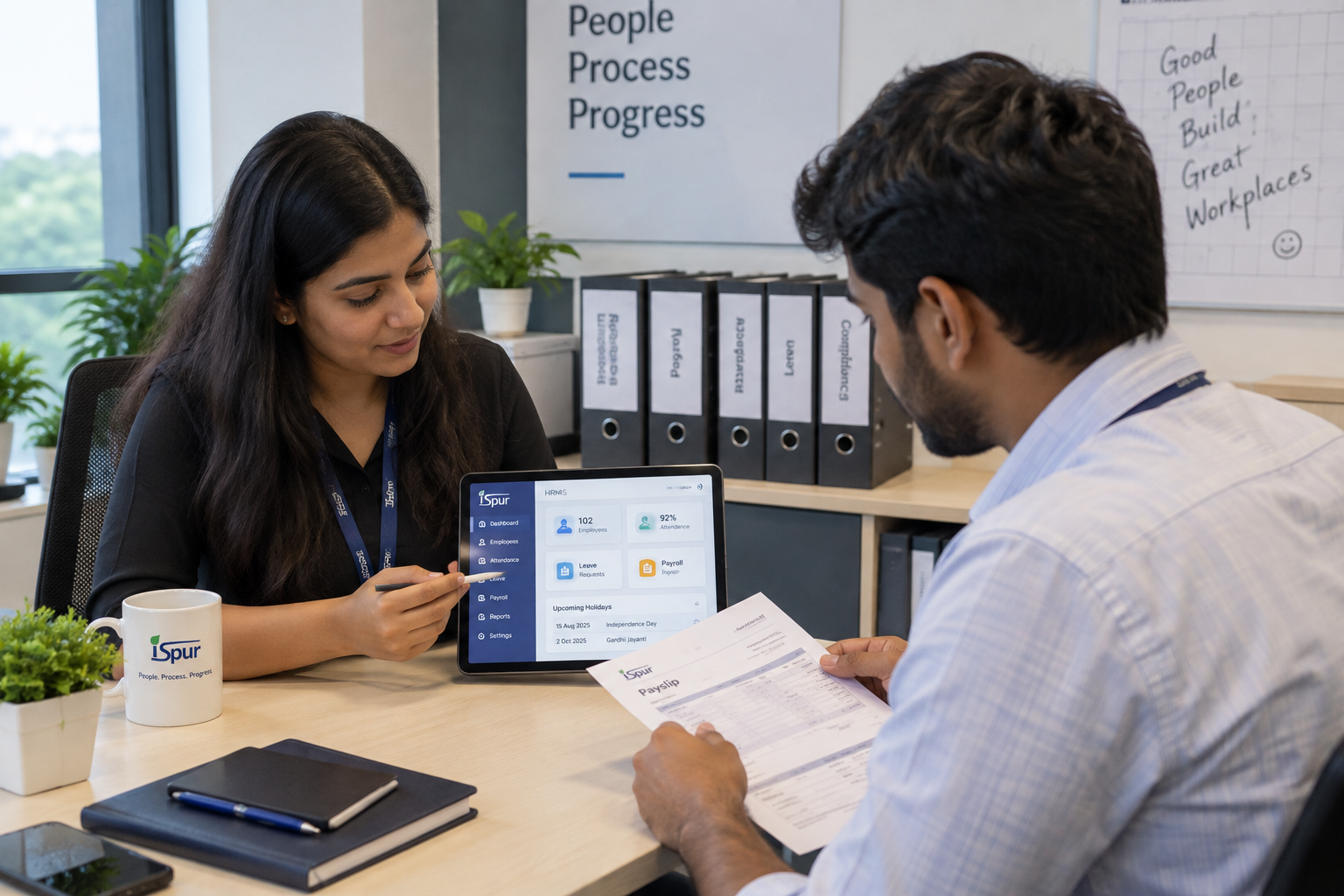
Connected systems provide a more complete view of organizational activities.,Managers can access information from multiple departments through a single source.
This visibility improves planning, resource allocation, and operational control,Organizations become more agile because they can respond quickly to changing conditions.
Eliminating Duplicate Work
Duplicate work is a common symptom of workplace silos.Employees often enter the same information into multiple systems,Departments may maintain separate records for the same activities.
This duplication increases workload and creates opportunities for errors,Connected systems reduce duplication by sharing information automatically.
For example:
- Employee information entered once can be used across HR, payroll, and project systems.
- Recruitment data can flow directly into onboarding processes.
- Project updates can support reporting and financial planning.
Reducing duplication saves time and improves information accuracy,Organizations become more efficient because information moves automatically rather than manually.
Supporting Better Decision-Making
Decision-making depends on information,When information is fragmented, leaders often make decisions based on incomplete data.
Connected systems provide a broader view of organizational performance,Information from multiple departments can be combined to create meaningful insights.
Benefits include:
- Better forecasting
- Improved planning
- More accurate reporting
Decision-makers gain confidence because they have access to current and comprehensive information,Data-driven decisions become easier when information is connected.
Enhancing Employee Experiences
Employees expect modern workplaces to provide efficient tools and easy access to information,Disconnected systems often create frustration.
Workers may need multiple logins, search through various platforms, or request information from other departments,Connected systems simplify these experiences.
Employees can access the information they need more quickly and efficiently.
Benefits include:
- Reduced administrative workload
- Improved productivity
- Better employee satisfaction
A positive employee experience contributes to engagement and retention,Technology should support employees rather than create obstacles.
Strengthening Organizational Agility
Agility refers to an organization's ability to respond quickly to change,Market conditions, customer expectations, and business priorities can shift rapidly.
Organizations with connected systems are often more agile because information flows freely across departments.
Leaders gain visibility into current conditions and can make informed decisions faster,Teams can coordinate more effectively and adapt to new requirements.
Agility becomes a competitive advantage in dynamic business environments,Organizations that can respond quickly are often better positioned for success.
The Role of Integrated Software
Integrated software plays a key role in eliminating workplace silos.
Rather than managing multiple disconnected applications, organizations can use integrated platforms that connect essential business functions.
Examples include:
- HR and payroll integration
- Recruitment and onboarding integration
- Projects and timesheets integration
- Accounts and operations integration
These connections create a more seamless flow of information,Integrated software reduces complexity while improving efficiency and visibility.
Organizations gain the benefits of specialized functionality without sacrificing connectivity.
Building a Culture of Collaboration
Technology alone cannot eliminate workplace silos,Organizations must also encourage collaboration and information sharing.
Leaders play an important role in promoting cross-functional teamwork,Employees should understand how their work contributes to broader organizational goals.
Connected systems support this culture by making information more accessible,When people and technology work together effectively, collaboration becomes a natural part of the workplace.
Strong collaboration often leads to better innovation, problem-solving, and business outcomes.
Practical Steps to Break Down Workplace Silos
Organizations seeking greater connectivity should focus on several key actions.
Centralize Information
Store critical information in systems that support organization-wide visibility.
Improve System Integration
Connect business applications wherever possible.
Encourage Cross-Department Communication
Promote information sharing and collaboration.
Reduce Duplicate Processes
Eliminate unnecessary manual activities.
Invest in Digital Workplace Solutions
Choose technologies that support connectivity and collaboration.Small improvements can create significant long-term benefits.
Conclusion
The modern workplace depends on collaboration, visibility, and information sharing.
Organizations that continue operating with disconnected systems often face challenges related to productivity, communication, and decision-making.
Workplace silos may seem like a minor inconvenience, but their impact can be significant as organizations grow.
Connected business systems provide a solution, The future of work is not fragmented,It is connected.
By bringing people, processes, and information together, organizations can improve operational efficiency, strengthen collaboration, enhance employee experiences, and make better decisions.The future of work is not fragmented,It is connected.
Organizations that embrace integrated software and connected digital workplaces today are building stronger foundations for innovation, agility, and long-term success tomorrow.