Table of Contents
- What Is Smart Business Software?
- Why Productivity Matters in Modern Workplaces
- Common Workplace Productivity Challenges
- 1. Manual Administrative Work
- 2. Poor Team Communication
- 3. Lack of Workflow Visibility
- 4. Scattered Information
- How Smart Software Improves Workplace Productivity
- Centralized Operations
- HR Automation Improves Efficiency
- Faster Communication & Collaboration
- Workflow Automation Reduces Delays
- Smart Financial Management
- Real-Time Analytics Help Businesses Make Better Decisions
- Benefits of Smart Business Software
- Saves Time
- Improves Accuracy
- Increases Employee Productivity
- Improves Collaboration
- Supports Business Growth
- Industries Benefiting from Smart Business Software
- Retail
- IT Companies
- Manufacturing
- Healthcare
- Corporate Businesses
- Why Businesses Are Investing in Productivity Software
- The Future of Smart Workplaces
- Frequently Asked Questions (FAQs)
- What is smart business software?
- How does automation improve productivity?
- Which areas should businesses automate first?
- Does business software reduce operational costs?
- Is smart software useful for small businesses?
- Why is centralized management important?
- Conclusion
- Explore Smart Business Solutions
Modern businesses are growing faster, handling more data, managing larger teams, and serving customers across multiple digital platforms. As operations become more complex, businesses need smarter systems to stay organized and productive.
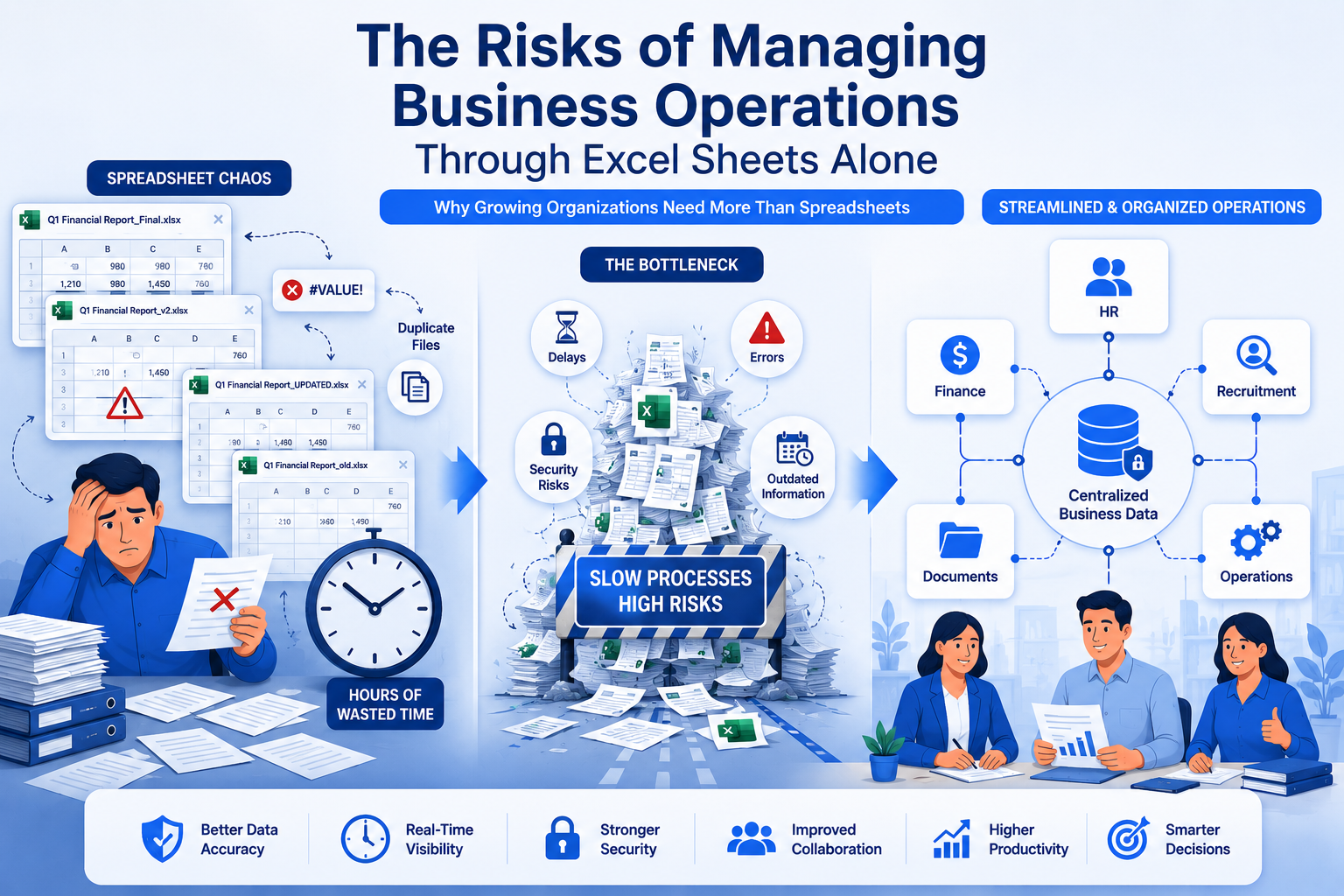
Many companies still depend on manual work, spreadsheets, paperwork, and disconnected tools for daily operations. While these methods may work temporarily, they often create delays, confusion, operational errors, and reduced productivity as businesses expand.
This is why smart business software has become essential for modern workplaces.
From HR management and communication to workflow automation and financial operations, digital business software helps organizations simplify processes and improve overall efficiency.
What Is Smart Business Software?
Smart business software refers to digital systems that help businesses automate, organize, and manage operations more efficiently.
These platforms are designed to simplify daily activities such as:
- Employee management
- Payroll
- Attendance tracking
- Communication
- Project management
- Accounts & invoicing
- Workflow approvals
- Reporting
Instead of handling operations manually, businesses can manage everything through centralized digital systems.
Why Productivity Matters in Modern Workplaces
Productivity is one of the most important factors for business growth.
When teams work efficiently:
- Tasks get completed faster
- Communication improves
- Errors reduce
- Customer service improves
- Operational costs decrease
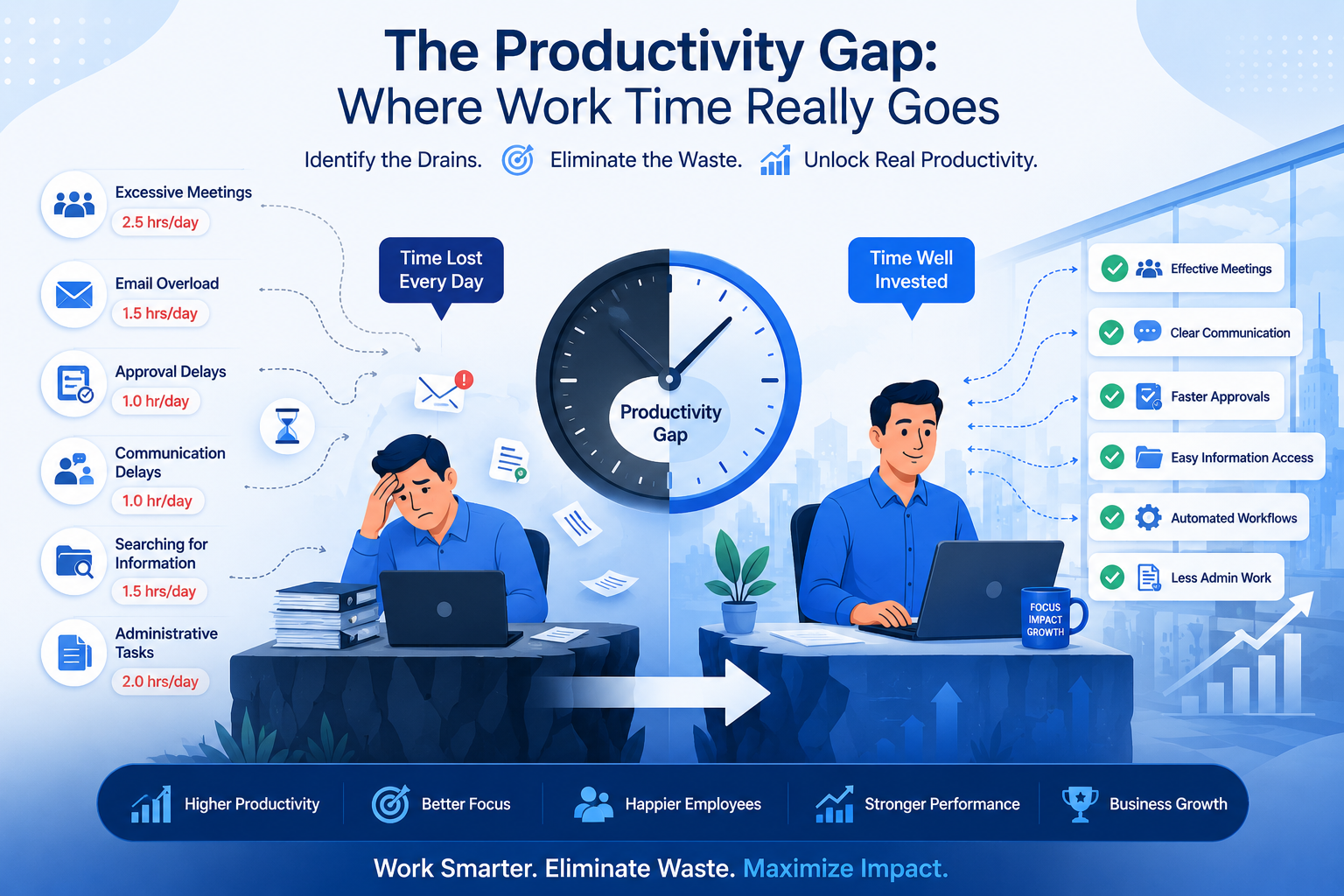
However, businesses using outdated systems often struggle with inefficiency and operational delays.
Common Workplace Productivity Challenges
1. Manual Administrative Work
Employees spend too much time on repetitive activities such as:
- Data entry
- Attendance updates
- Payroll processing
- Invoice management
- Report preparation
This reduces valuable working time.
2. Poor Team Communication
Using multiple disconnected apps creates:
- Delayed communication
- Missed updates
- Information confusion
- Collaboration problems
Effective communication is essential for productivity.
3. Lack of Workflow Visibility
Without digital tracking systems, businesses struggle to monitor:
- Project progress
- Employee tasks
- Deadlines
- Team performance
This creates operational inefficiencies.
4. Scattered Information
Business data often gets stored across emails, spreadsheets, and multiple platforms, making it difficult to access important information quickly.
How Smart Software Improves Workplace Productivity
Centralized Operations
Modern business systems allow companies to manage:
- HR operations
- Accounts
- Communication
- Projects
- Reports
- Documents
from one platform.
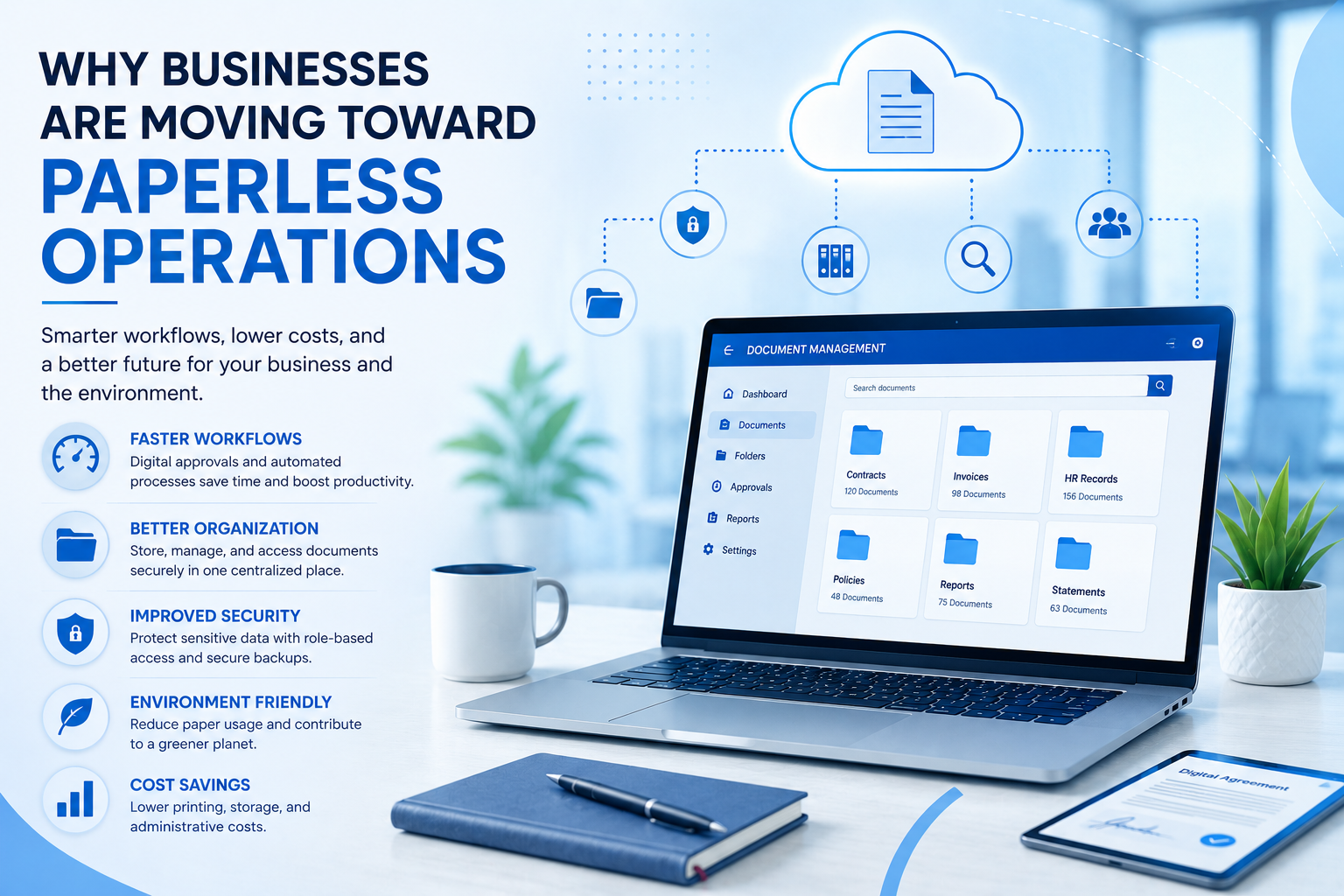
This improves organization and operational visibility.
HR Automation Improves Efficiency
HRMS software helps businesses automate:
- Attendance tracking
- Leave management
- Payroll processing
- Employee records
This reduces HR workload and improves workforce organization.
Employees can access information more quickly while HR teams save time on repetitive administrative tasks.
Faster Communication & Collaboration
Secure communication platforms improve workplace productivity by helping teams:
- Share updates instantly
- Collaborate in real time
- Reduce delays
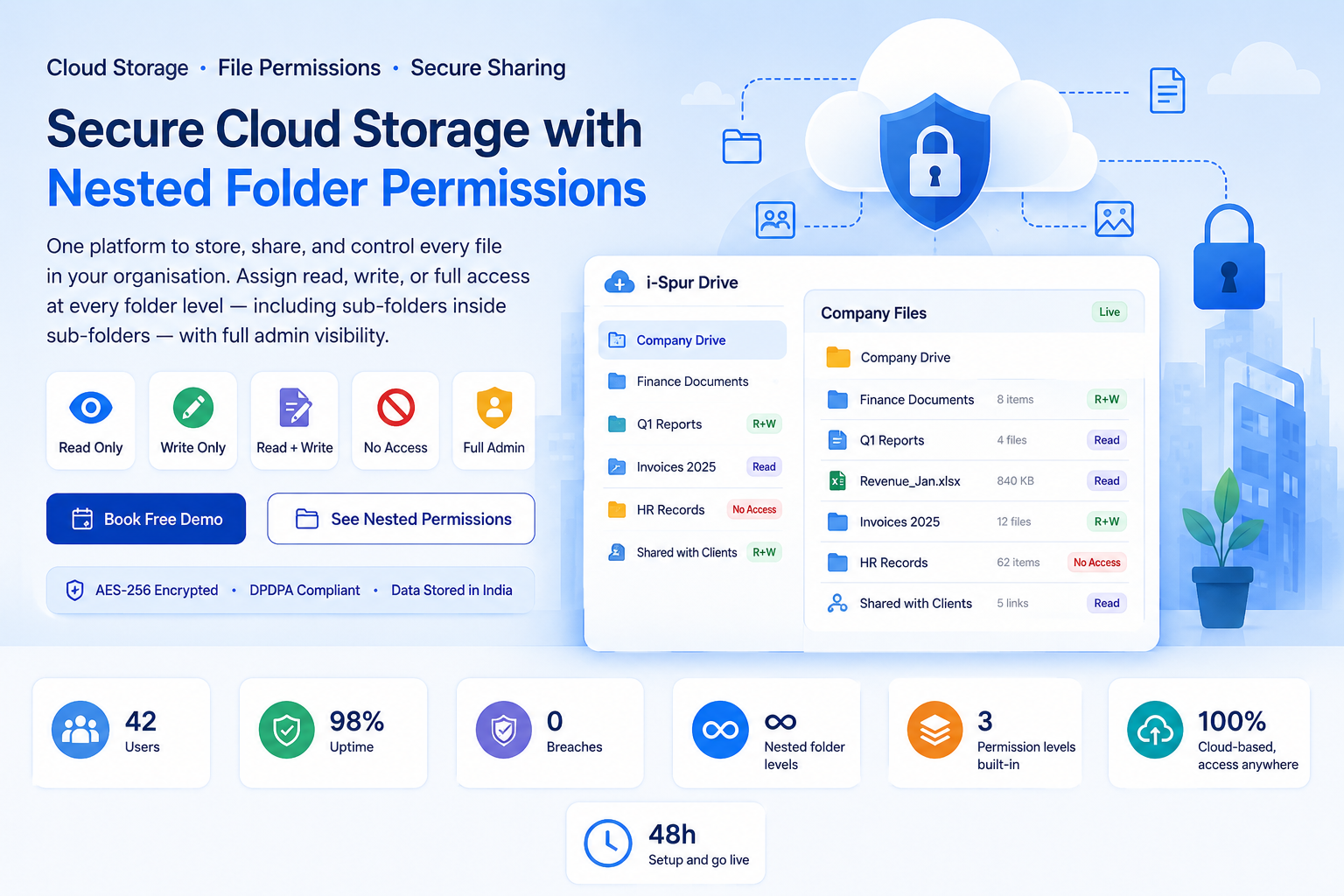
- Protect company information
Better communication leads to faster decision-making and smoother operations.
Workflow Automation Reduces Delays
Workflow automation helps businesses:
- Assign tasks automatically
- Track deadlines
- Monitor progress
- Improve accountability
This reduces operational bottlenecks and keeps projects organized.
Smart Financial Management
Accounts and vendor management systems improve productivity by simplifying:
- Invoice processing
- Budget tracking
- Vendor management
- Purchase order approvals
- Reporting
Automation reduces manual errors and improves financial visibility.
Real-Time Analytics Help Businesses Make Better Decisions
Modern software platforms provide dashboards and analytics that help businesses monitor:
- Productivity
- Team performance
- Financial activities
- Workflow status
- Operational efficiency
Real-time visibility helps management make faster and smarter decisions.
Benefits of Smart Business Software
Saves Time
Automation reduces repetitive work and improves operational speed.
Improves Accuracy
Digital systems reduce errors in:
- Payroll
- Accounting
- Reporting
- Attendance
- Data management
Increases Employee Productivity
Employees can focus more on meaningful work instead of repetitive administrative tasks.
Improves Collaboration
Centralized communication and workflow systems help teams work together more efficiently.
Supports Business Growth
Smart systems help businesses scale operations more effectively.
Industries Benefiting from Smart Business Software
Retail
- Billing systems
- Customer engagement
- Inventory management
IT Companies
- Project tracking
- Team collaboration
- HR management
Manufacturing
- Vendor management
- Workflow automation
- Budget tracking
Healthcare
- Workforce coordination
- Secure communication
- Reporting systems
Corporate Businesses
- HRMS
- Accounts management
- Internal communication
Why Businesses Are Investing in Productivity Software
Modern workplaces are becoming increasingly digital.
Businesses investing in productivity software are improving:
- Operational efficiency
- Team collaboration
- Customer experience
- Business scalability
- Decision-making speed
Companies using modern digital systems often operate more smoothly and remain more competitive in the market.
The Future of Smart Workplaces
Future business software is expected to focus more on:
- AI-powered automation
- Predictive analytics
- Real-time collaboration
- Cloud & hybrid systems
- Smart workflow management
- Advanced business intelligence
Organizations adopting smart software today are preparing for more efficient future operations.
Frequently Asked Questions (FAQs)
What is smart business software?
Smart business software helps businesses automate and manage operations digitally.
How does automation improve productivity?
Automation reduces repetitive tasks, improves accuracy, and speeds up workflows.
Which areas should businesses automate first?
Businesses should prioritize:
- HR operations
- Communication
- Accounts management
- Workflow tracking
- Reporting
Does business software reduce operational costs?
Yes. Automation reduces manual work, operational delays, and administrative workload.
Is smart software useful for small businesses?
Yes. Small businesses can improve organization, efficiency, and scalability through digital systems.
Why is centralized management important?
Centralized systems improve visibility, communication, coordination, and operational control.
Conclusion
Productivity is one of the biggest drivers of business growth in today’s competitive environment.
Smart business software helps organizations simplify operations, improve collaboration, reduce manual workload, and create more efficient workplaces.
From HR and communication to accounts and workflow automation, digital systems are transforming how modern businesses operate.
Businesses investing in smart workplace technology today are building stronger foundations for long-term success.
Explore Smart Business Solutions
Looking for smarter ways to improve workplace productivity?
Explore modern solutions for HRMS, workflow automation, communication, accounts management, and business operations.
Explore More: https://i-spur.com/link-bridge